What happens when we stop trying to convince rangatahi to participate in physical activity and instead ask them what they actually want to do?
This question sits at the heart of Māui Pōtiki, a CrossFit-based kaupapa created in response to rangatahi voice and the ways they experience tākaro today. The programme was developed to create a space for rangatahi to engage with tākaro while also connecting with movement, te reo Māori, pūrākau and mātauranga.
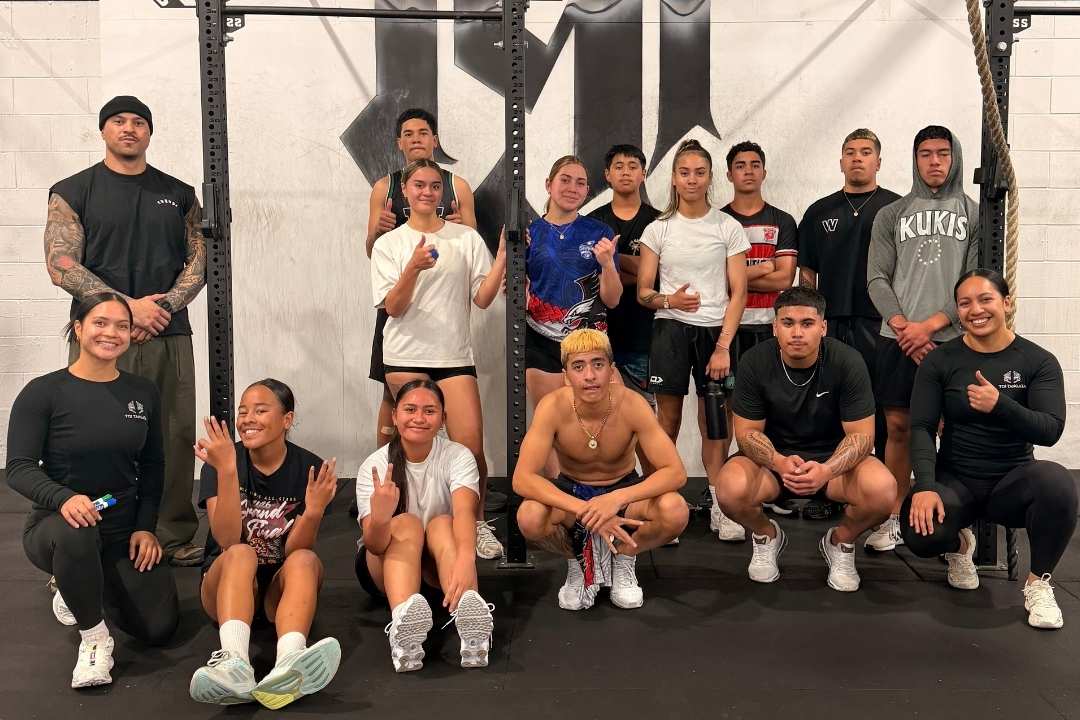
Over the past month, Toi Tangata has welcomed rangatahi from Ngā Puna o Waiorea and Te Kura Kaupapa Māori o Te Kōtuku to wānanga in a space where movement is playful, social, challenging and relevant to them.
The series began with a simple idea: to create a space for rangatahi to explore what tākaro can look like for them. Through expressions of interest, there was a clear desire from rangatahi to come together, be active and try something new.
Alongside the physical mahi of CrossFit-based activities, rangatahi are learning about pūrākau and developing their understanding and use of te reo Māori. This type of movement has become another way to connect with mātauranga Māori; a new kupu becomes part of the experience, and new movements are unlocked.
It has also created plenty of opportunities for rangatahi test themselves. For some, that means attempting their first handstand. For others, it's learning how to rope climb and seeing how far they can go and testing how strong they are. There have been moments of frustration, plenty of laughs and lots of small wins that remind them that progress doesn't always happen straight away.
Four weeks in, and rangatahi continue to turn up twice a week. That consistency speaks volumes. We discovered we don't always need to convince rangatahi to move. Sometimes we just need to listen to what they want, create the right environment and give them a reason to come back.
Māui Pōtiki is showing us what can happen when rangatahi voice is central to shaping their experiences, when movement isn't presented as something they should be doing, but as something they can explore, enjoy and make their own.

