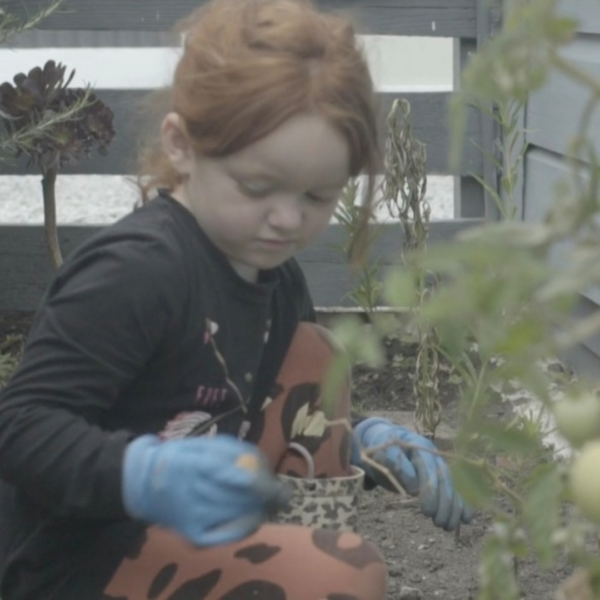
The whakataukī, ‘he kai kei aku ringa’ literally translates to mean, ‘there is food in my hands.’
However, we learned from our discussions with whānau that the whakataukī (proverb) reflects a much broader understanding of kai (food) and Māori kai systems than this.
Funded by the Health Promotion Agency Te Hiringa Hauora, He Kai Kei Aku Ringa began as a project to develop a resource to support parents in feeding their tamariki during their first thousand days of life. The first thousand days is an especially crucial time of child development.
Led by Māori healthy agency, Toi Tangata, the project was reframed under the concept, He Kai Kei Aku Ringa. As a result, this placed the kaupapa within a mātauranga Māori frame of reference.
It also shifted the kaupapa from isolating certain time periods (the first thousand days) and certain relationships (parent and child). Consequently, this allowed us to be more inclusive.
We wanted to speak to:
Grounding the kaupapa (project) in te ao Māori was a great opportunity to acknowledge a Māori approach from the start. So, we undertook a co-design process, engaging with around 24 whānau who shared their understandings of ‘he kai kei aku ringa,’ and what that looked like in their daily lives.
The stories they shared showed us that the ways whānau interpreted the whakataukī are very broad and involved interactions with a number of groups.
These interactions included:
We wanted this resource to reflect the broad ways in which our whānau understand and engage with Māori food systems. So, we let whānau share their experiences of kai from the context of their own realities.
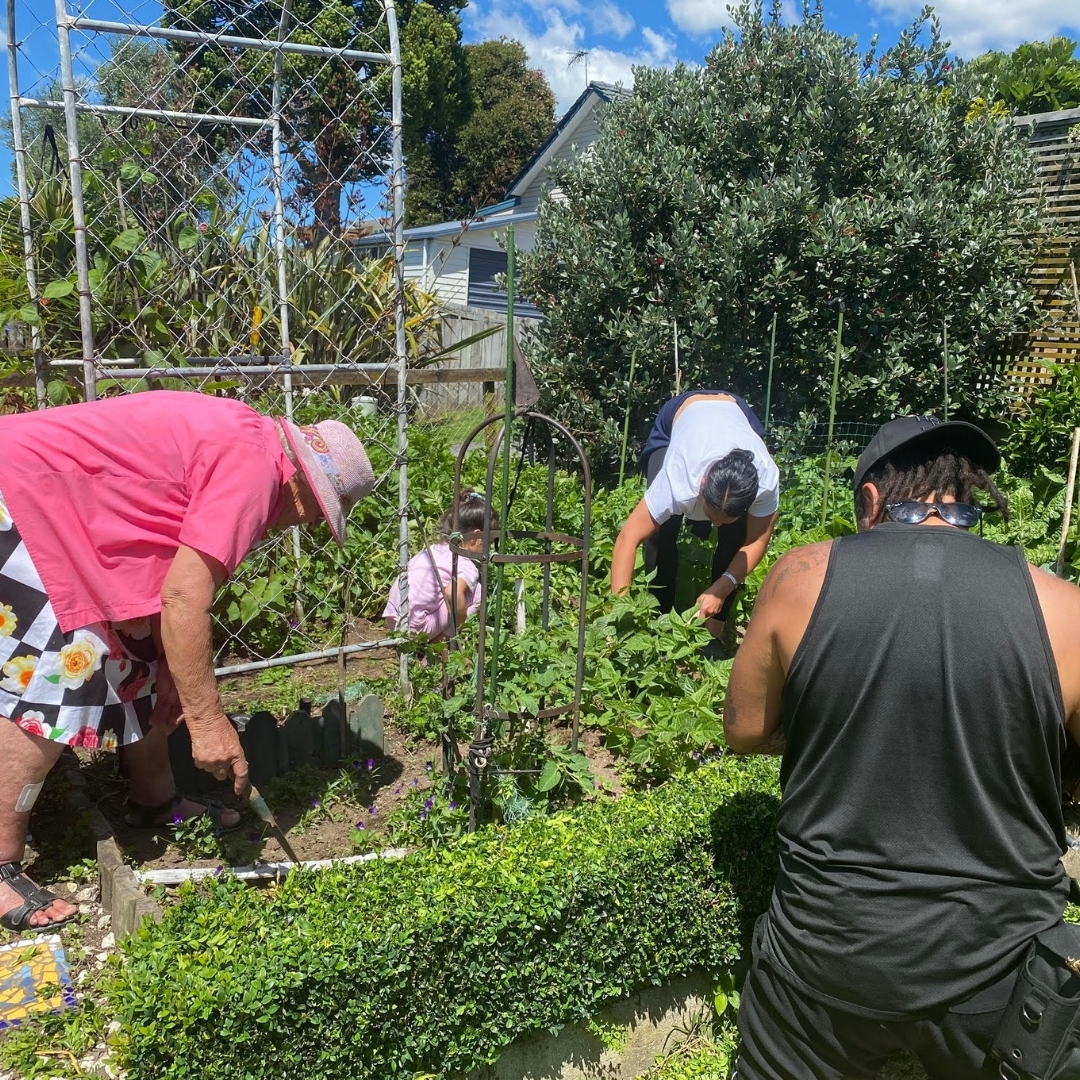
Allowing whānau to share their stories of food in the broader context of their lives, we get to see, in real-time, the pressures of daily life, the ways that whānau move through these pressures, and how kai is able to occupy space within their worlds.
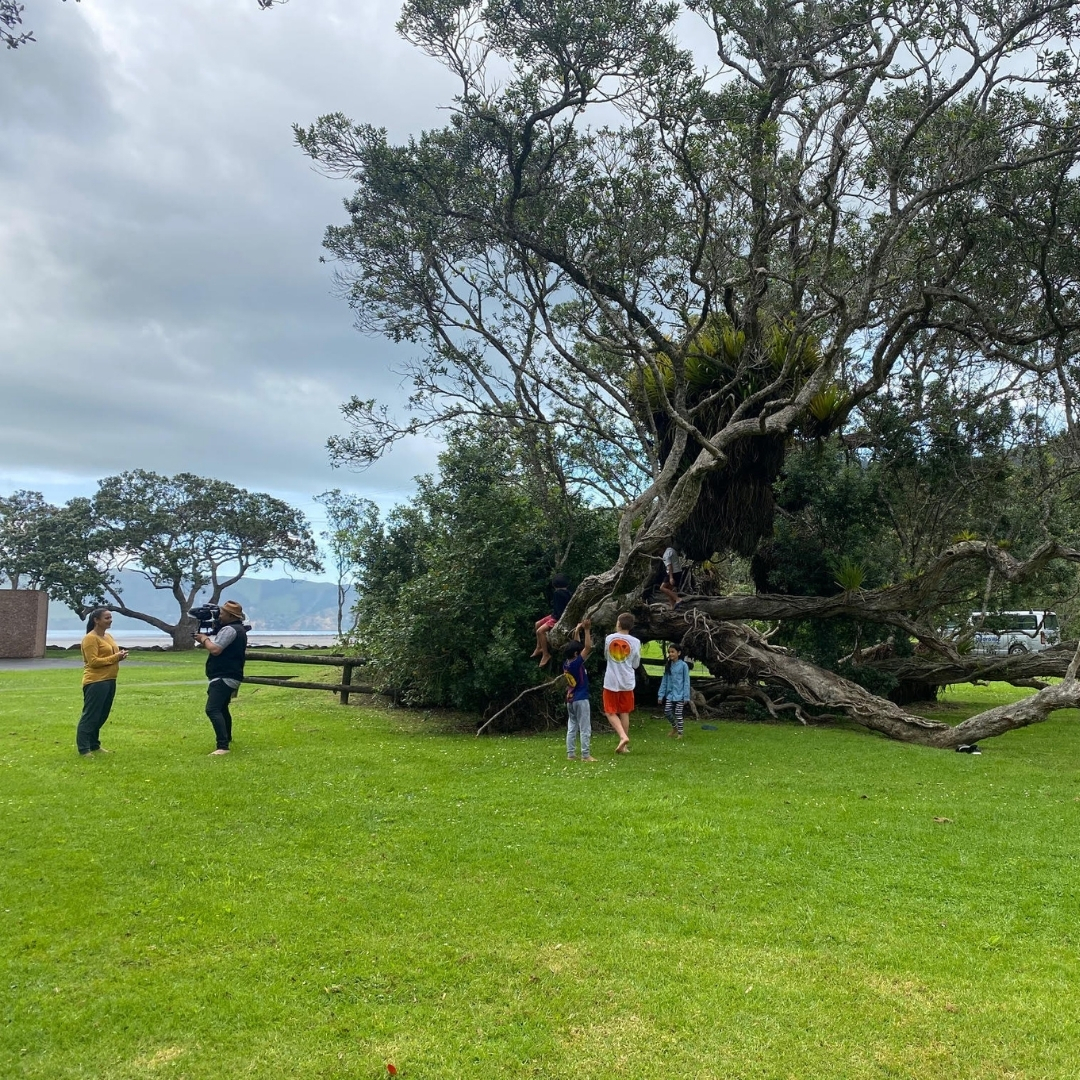
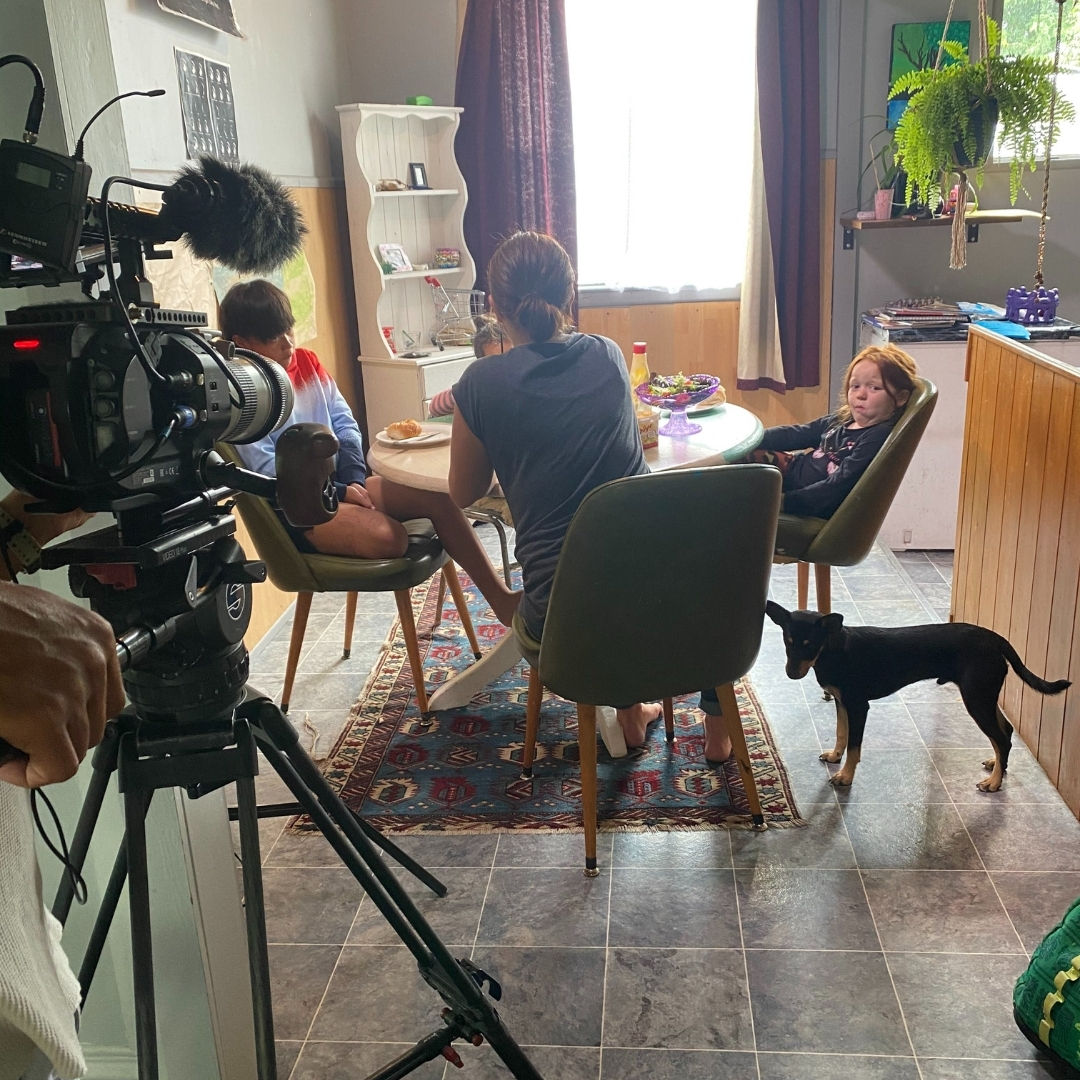
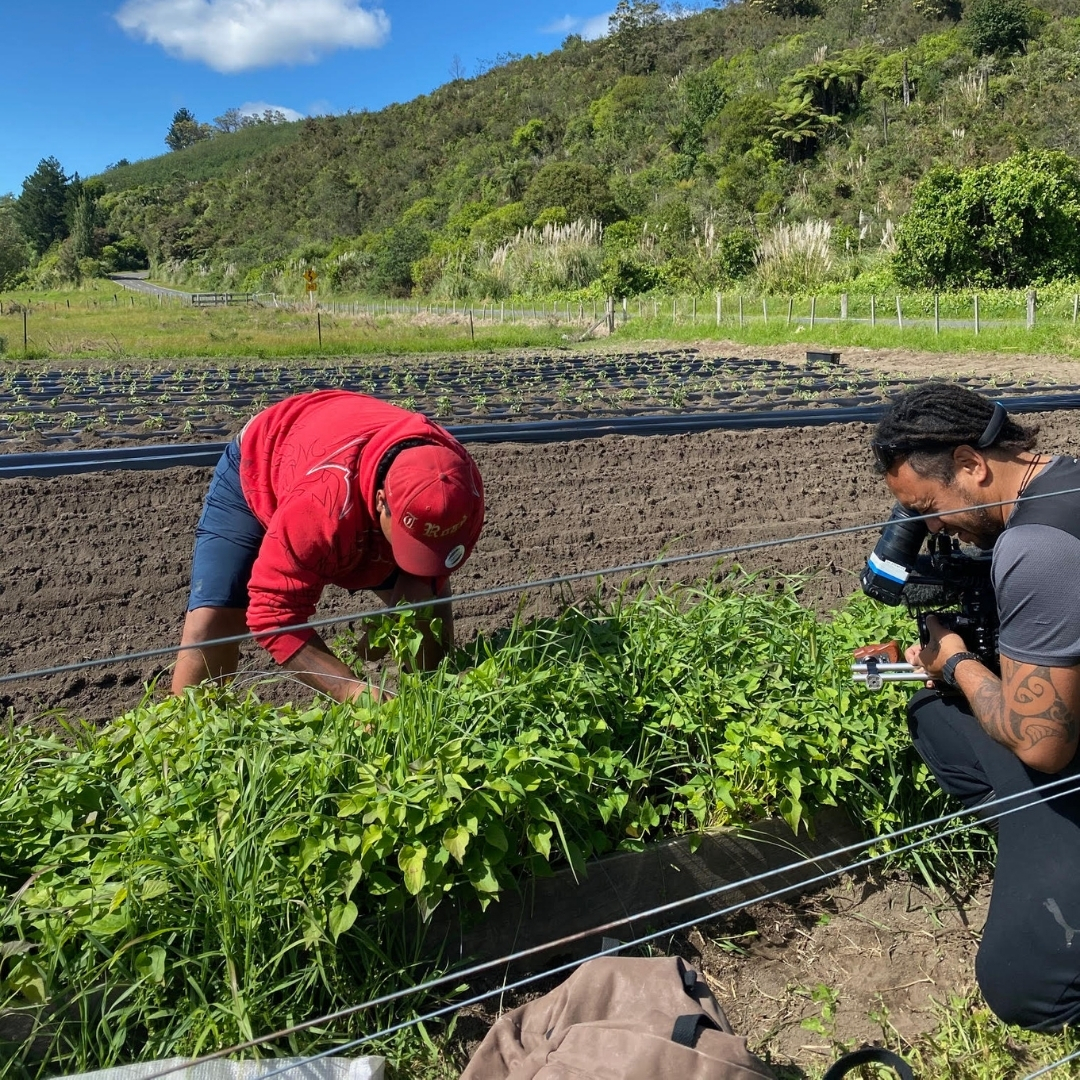
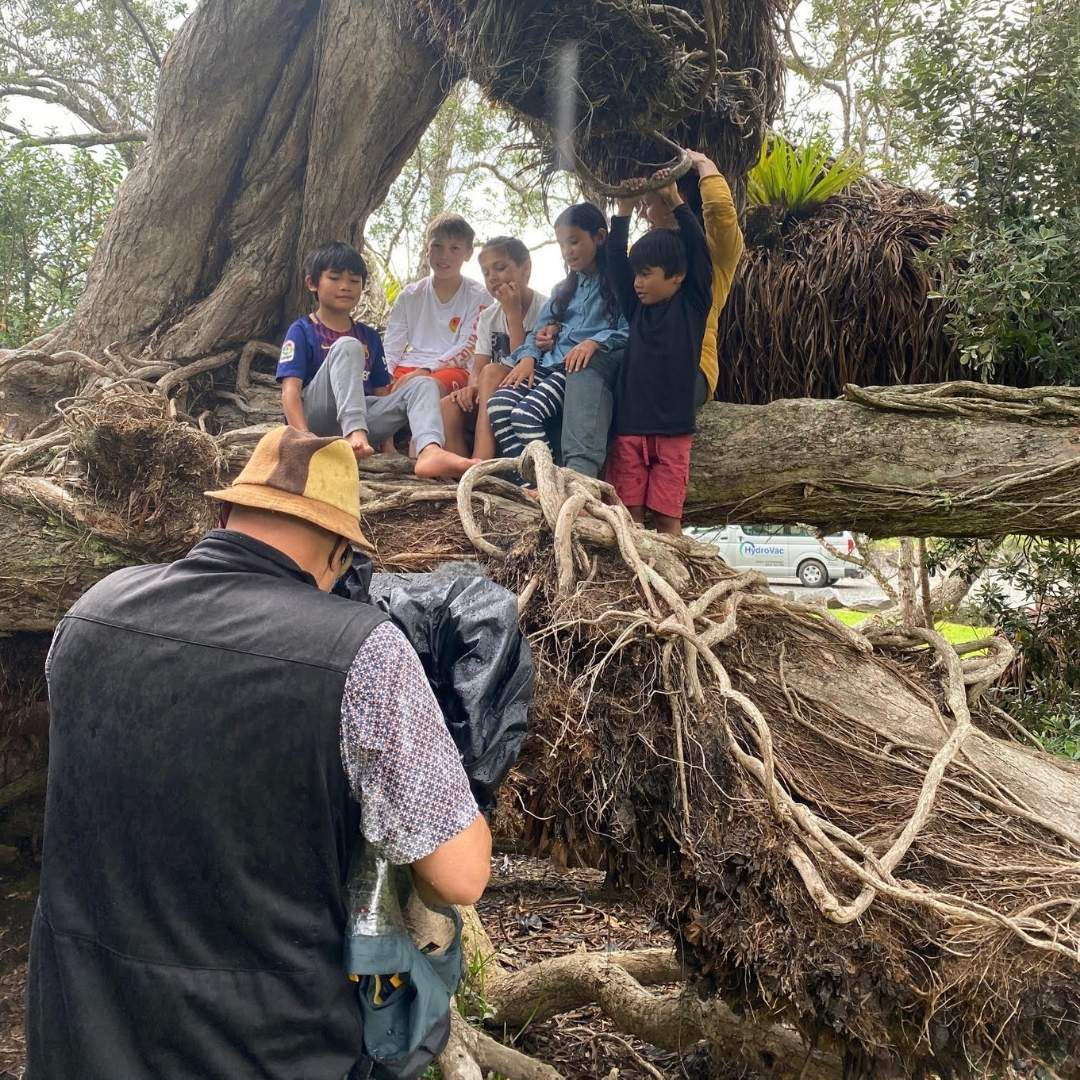
We travelled from Auckland to Tauranga, from Gisborne to Te Teko and all the way down to Te Upoko o te Ika a Māui, Wellington, filming a collection of six whānau which represented a range of lived experiences.