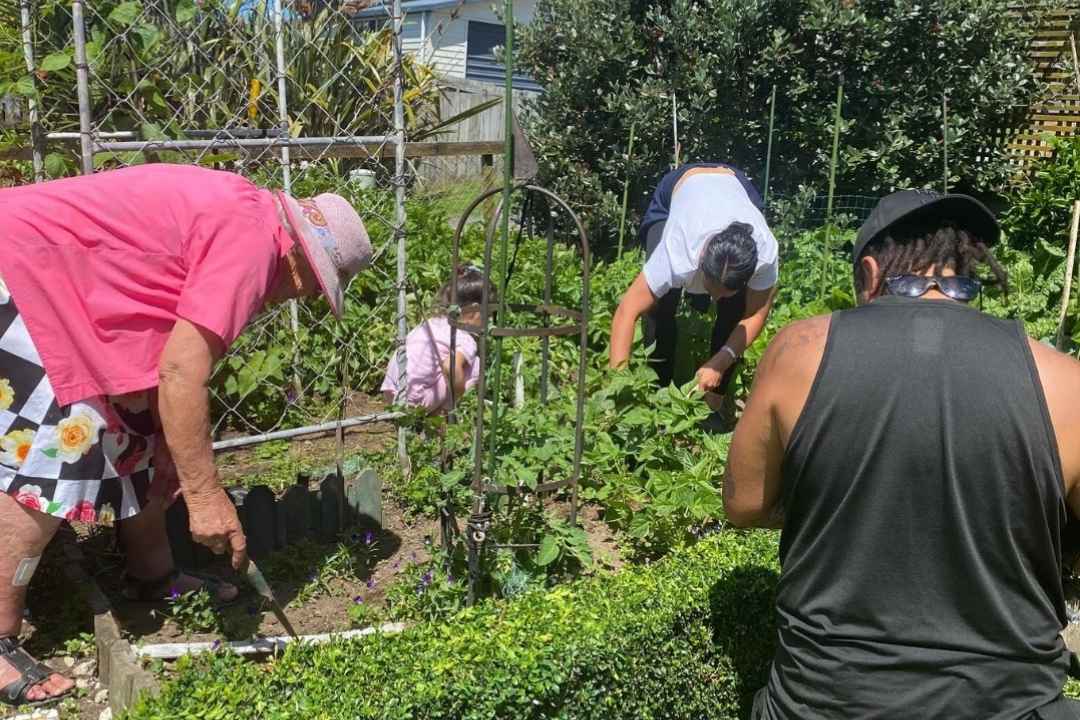
The whakataukī, he kai kei aku ringa, literally translates to mean, ‘there is food in my hands.’
Through our kōrero with whānau, we learnt that the different ways whānau understand this whakataukī reflect a much broader understanding of kai and Māori kai systems.
Funded by the Health Promotion Agency Te Hiringa Hauora, He Kai Kei Aku Ringa began as a project to develop a resource to support parents in feeding their tamariki during their first thousand days of life, a critical period of growth and development.
Led by Toi Tangata, the project evolved to embrace a broader understanding of kai grounded in mātauranga Māori. Rather than focussing on early childhood and parent-child relationships, the project explored how kai connects people, places and generations.
This approach recognises that our relationships extend beyond our immediate whānau and our own lifetimes. They connect us to our tūpuna, future generations, the whenua, taiao and atua that sustain us.
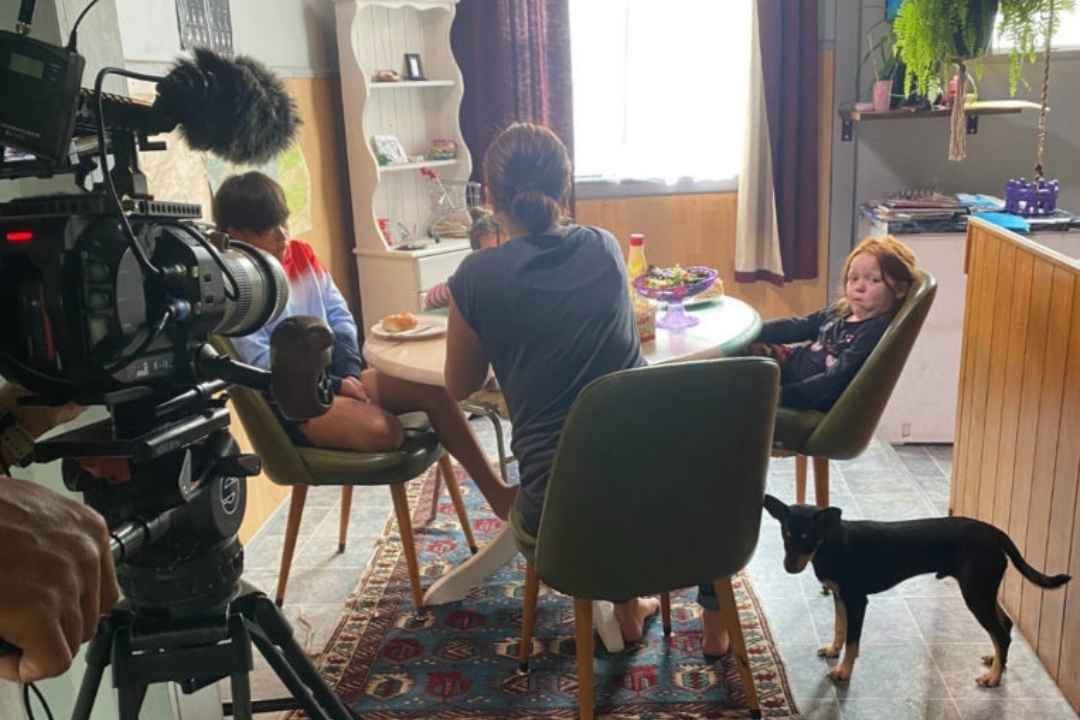
To ensure the kaupapa was shaped by the voices and experiences of whānau, we began with a co-design process involving around 24 whānau.
Through these kōrero, we explored what he kai kei aku ringa meant to different whānau and how these understandings were reflected in their everyday lives.
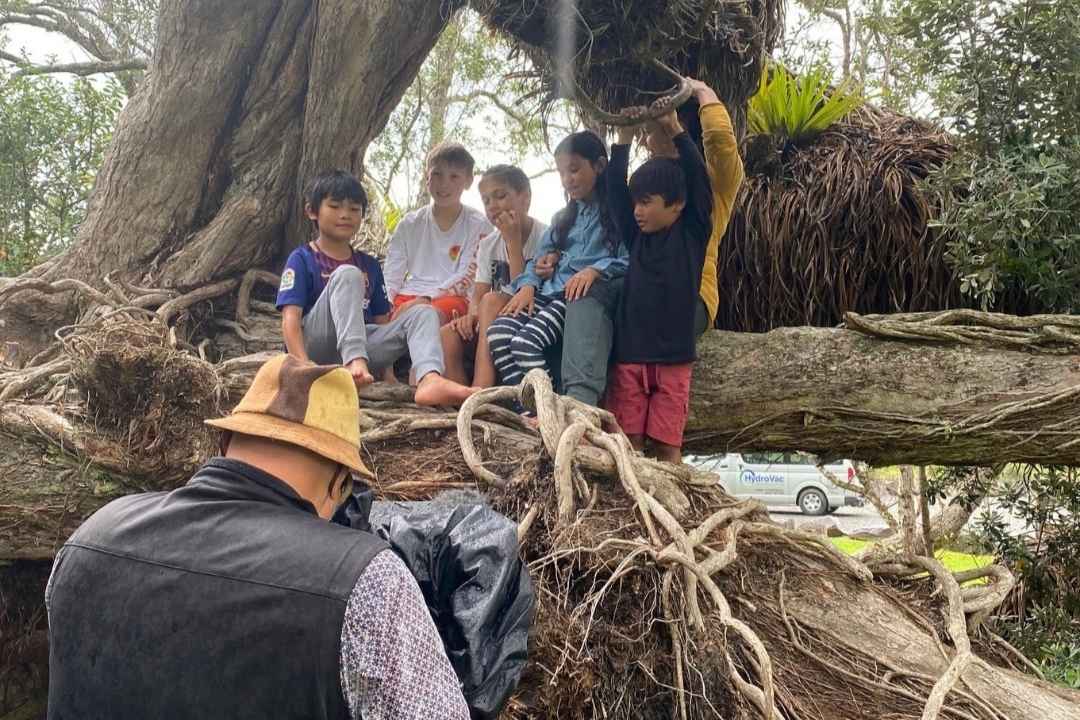
We travelled from Auckland to Tauranga, from Gisborne to Te Teko and all the way down to Te Upoko o te Ika a Māui, Wellington, filming a collection of five whānau who represented a range of lived experiences.
The stories they shared showed us that the ways whānau interpreted the whakataukī are very broad and involved interactions with a number of groups.
Their stories revealed that kai is about much more than nutrition.
It is woven into our relationships with:
These stories capture the realities of everyday life: the challenges whānau face, the knowledge they draw upon and the ways they make kai part of their lives.
Ringaringa
The hands represent the part we play in the cultivation, collection, preparation and serving of kai and the effort that is required from us to ensure our kai is nourishing for our bodies.
Kūmara and Kūmara Leaves
Kūmara represents kai in its many forms, both traditional and otherwise. As a key staple of our people, kūmara also symbolises the knowledge, cultivation and commitment needed to provide for ourselves and future generations.
He Kai Kei Aku Ringa was made possible through funding from the Health Promotion Agency Te Hiringa Hauora.