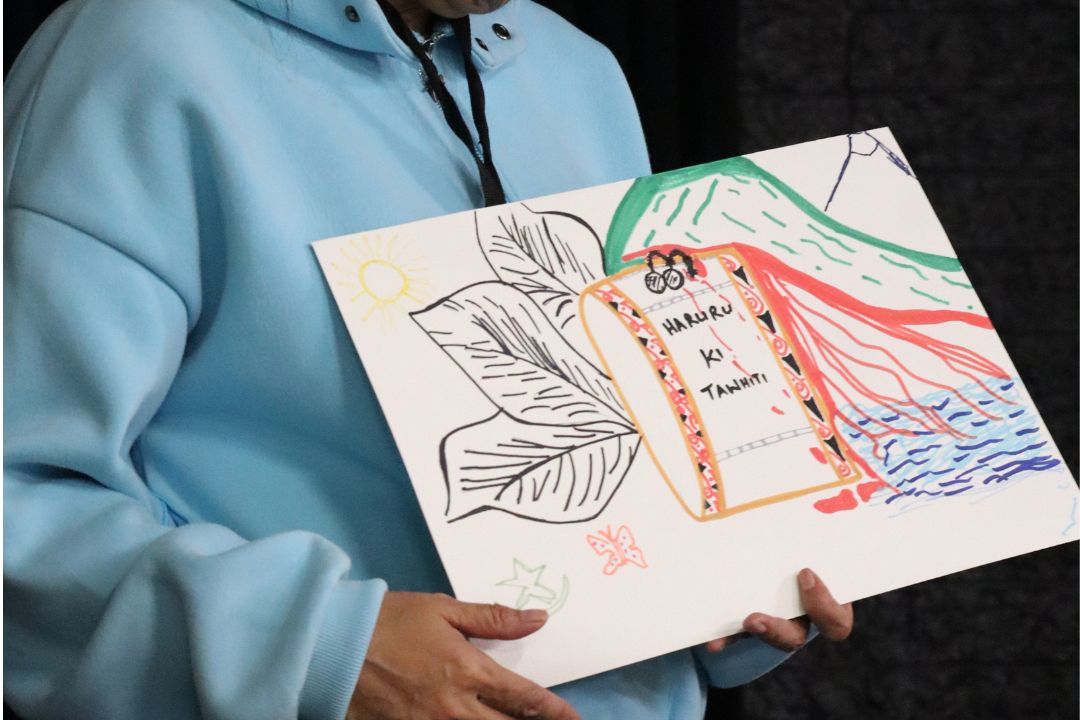
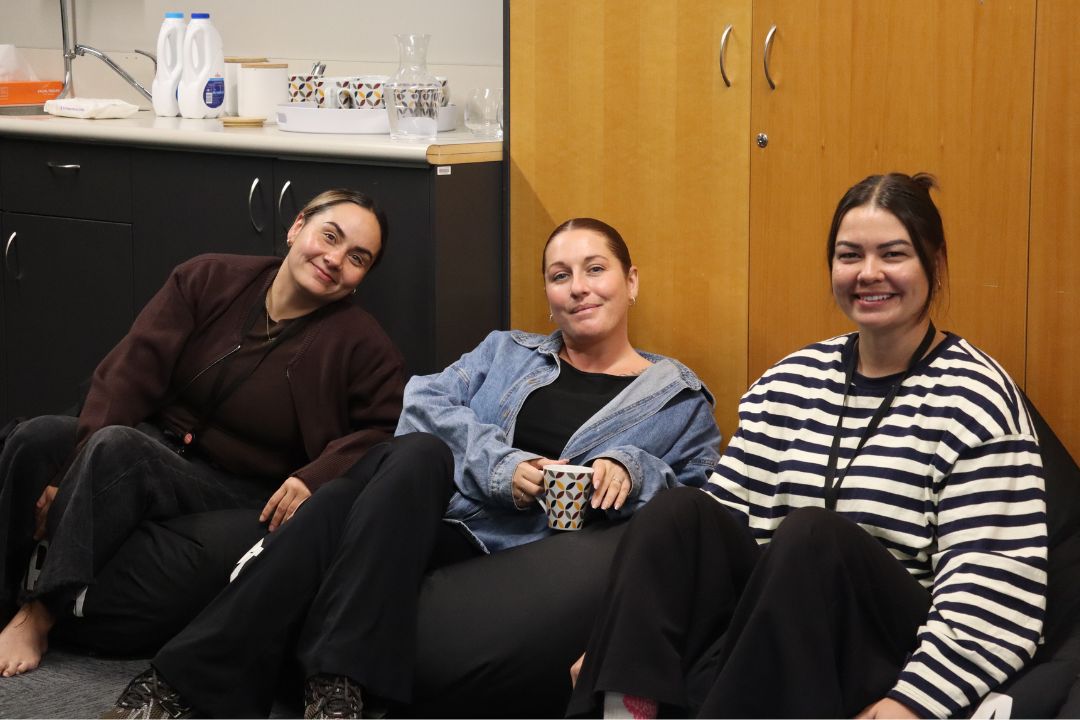
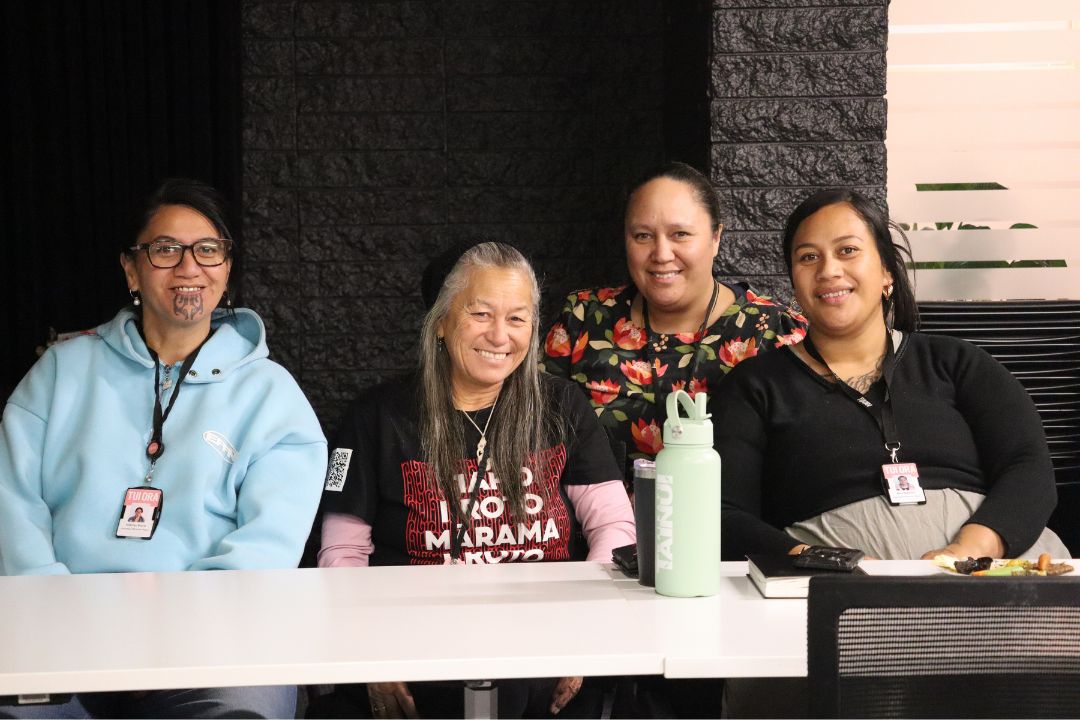
Recently, we had the privilege of gathering with kaimahi from Tui Ora in Ngāmotu (New Plymouth) for what was initially planned as a He Pī Ka Rere wānanga. As is often the way with wānanga, we arrived prepared to explore one set of ideas, but through the collective wisdom, curiosity, and whakaaro of those present, the kōrero unfolded in an entirely different direction. What emerged was a rich exploration of mātauranga, kai sovereignty, and a deeper question about the future of wellbeing in Taranaki.
What might a hauora system look like if it was designed from Taranaki outwards?
Too often we see health systems and health promotion approaches designed broadly and then applied locally. Yet the wānanga challenged us to consider what becomes possible when wellbeing is grounded in the unique histories, landscapes, waterways, and stories of the people it seeks to serve.
One of the most engaging discussions centered around food sovereignty and the traditional food systems of Taranaki. Rather than viewing kai simply as nutrition, we explored kai as an expression of whakapapa, identity, ecology, and relationship.
The waters that descend from Taranaki Maunga do not flow as a single stream. They branch and weave across the landscape through countless tributaries, nourishing different ecosystems, marae, hapū, and communities before eventually reaching Tangaroa. Along these waterways sit generations of mātauranga, stories of mahinga kai, seasonal harvesting practices, environmental indicators, and relationships that have sustained people for centuries.
This prompted a powerful reflection:
What if our hauora systems followed the same logic as our waterways?
What if understanding wellbeing began with understanding the awa that sustains a particular community?
What if health promotion started with local stories of wai, whenua, kai, and whakapapa?
What if the journey of a river became a metaphor for the journey of wellbeing itself?
The conversation also raised an exciting possibility for the future of health promotion.
What might a Taranaki-centred health campaign look like if it drew directly from the stories of this place?
What if messages about nutrition were connected to local food systems and mahinga kai traditions?
What if discussions about environmental wellbeing followed the pathways of the awa that flow from Taranaki Maunga?
What if local pūrākau and kōrero tuku iho became the foundation for communicating health and wellbeing messages?
Importantly, this is not about suggesting that Taranaki stories should be used everywhere - quite the opposite.The opportunity is for every iwi, hapū, and rohe across Aotearoa to reclaim and elevate the stories that belong to them. By drawing on local mātauranga, communities can create health promotion approaches that are authentic, meaningful, and deeply connected to place.
The wānanga reminded us that some of our most powerful solutions already exist within our own landscapes and knowledge systems. The challenge is not necessarily creating something new, but creating the space to listen, reconnect, and allow those stories to guide us.
As we left the wānanga, one whakaaro remained with us: A Taranaki-centred hauora system is not simply healthcare delivered in Taranaki.
It is wellbeing understood through the waterways, landscapes, histories, relationships, and mātauranga that make Taranaki uniquely Taranaki.
And perhaps that is where the future of hauora lies. Rather than asking communities to fit within existing systems, we allow systems to emerge from the stories, places, and relationships that have sustained communities all along.

.webp)